
Summary:
What Happens During Your Leg Pain Consultation
Your consultation starts with you, not your symptoms. We’ll ask detailed questions about your condition, when your pain started, where it’s located, and the type of pain you’re experiencing.
This isn’t a rushed appointment where you’re shuffled through in 10 minutes. You’ll fill out forms that provide background information about your symptoms and condition, but more importantly, you’ll have time to explain how this pain is actually affecting your daily life.
At Chiropractic First, you are our priority. This means we listen to understand your specific situation rather than applying a one-size-fits-all approach.
The Complete Physical Examination Process
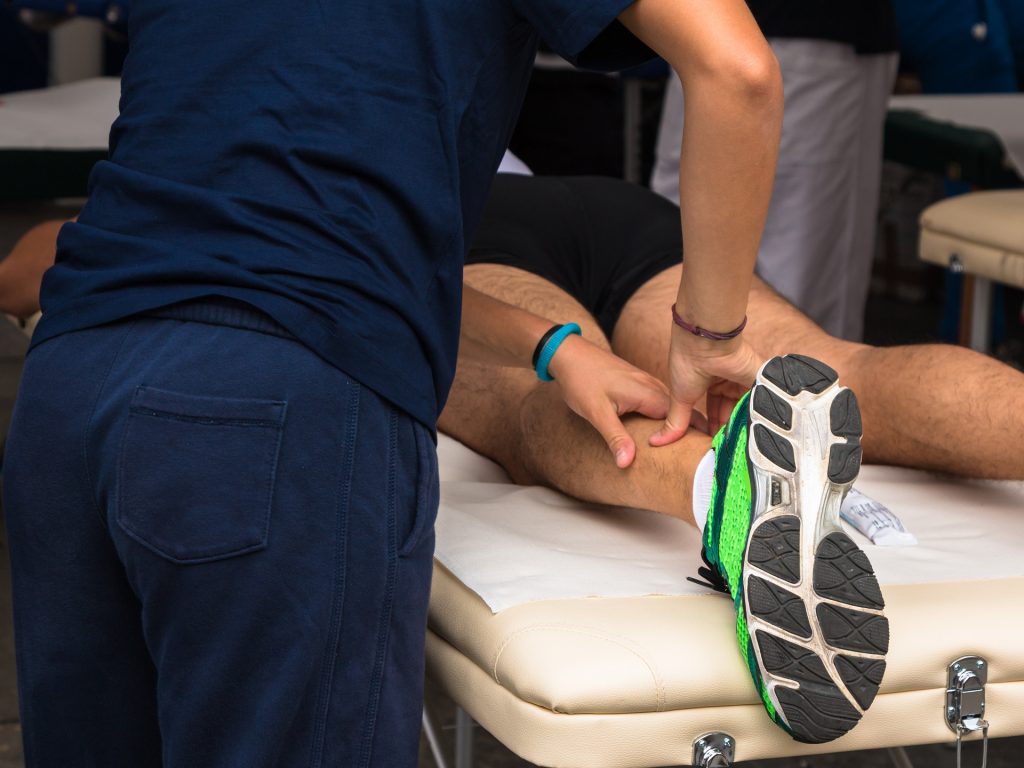
Your physical examination goes far beyond just looking at your leg. A thorough chiropractic exam includes general tests, such as blood pressure, pulse, respiration, and reflexes. Specific orthopedic and neurological examinations allow further examination of range of motion, muscle tone and strength, and neurological integrity.
Here’s what makes this examination different from what you might have experienced elsewhere. We assess your whole body by performing tests that may involve X-rays of the spine, legs, and hips pelvis. Why? Because some other body parts may contribute to the knee condition, and if some of your body parts aren’t functioning properly, they can put stress on the knees, causing pain and injury.
These types of pain can often be traced back to underlying issues such as nerve compression, joint misalignment, or muscle strain, and we specialize in identifying and treating the root causes of arm and leg pain. This comprehensive approach means you’re not just getting your symptoms addressed—you’re getting to the source of the problem.
The examination includes specific movement tests, posture analysis, and careful assessment of how your leg pain connects to the rest of your body. Further chiropractic examinations, such as having the patient move in a specific way, posture analysis, or assessing the motion of the affected body part, may be required to identify the affected area.
Understanding Your Diagnostic Results and X-rays
Based on the results of your history and chiropractic exam, diagnostic studies may be helpful in revealing pathologies and identifying structural abnormalities to more accurately diagnose a condition. While an x-ray is the most common diagnostic study used during an initial chiropractic exam, it is not always needed.
When X-rays are recommended, there’s always a specific reason. An x-ray study should only be undertaken if we have a good reason to believe that it will provide information needed to guide your treatment program. This might include recent trauma, suspected structural issues, or when your symptoms suggest deeper problems that need to be visualized.
After a detailed evaluation of your spine, X-rays are carefully analyzed and measured to create a personalized care plan, and time is taken to share and explain findings, because it’s your spine and your health. You won’t be left wondering what those images mean or why certain treatments are being recommended.
The diagnostic process also helps distinguish between different types of leg pain. Often, patients suffer from arm and leg pain that starts with nerve irritation in their back, with the most common example being sciatica. Sciatica affects between 10% and 40% of adults at some point in their lives, making it one of the most common forms of nerve pain in the Grand Rapids community.
Understanding exactly what’s causing your leg pain—whether it’s nerve compression, joint dysfunction, muscle strain, or a combination of factors—determines your entire treatment approach. This diagnostic clarity is what separates effective treatment from the trial-and-error approaches you may have experienced before.
Your Personalized Treatment Plan and Next Steps
We’ll go over our findings and lay out recommendations regarding treatment modalities, number of visits, and how you can support your therapy at home. Every patient is different, so don’t be surprised if it takes some time to put your treatment plan on paper.
There is no one-size-fits-all approach to chiropractic care, and you deserve a toolkit designed just for your body’s unique needs. This individualized approach is what makes the difference between temporary symptom relief and lasting improvement.
Your treatment plan addresses both immediate pain relief and long-term correction. Our chiropractic care involves treating the root cause of knee pain. Instead of focusing on the symptoms alone, we address the symptoms and the underlying cause of the pain. This prevents the pain from returning.
Will You Get Treatment on Your First Visit
Patients are encouraged to receive their first adjustment the same day as their consultation and exam. Once you know exactly what to expect from your chiropractic care, there is no reason not to begin your treatment immediately. We recommend completing your first adjustment on your first day. Once there is a clear picture of your physical health, you can get your care plan and resume treatment almost immediately.
Your first treatment will be gentle and specifically tailored to your condition. This will likely be an alignment or spinal manipulation, with us placing you in specific positions based on your affected areas, treating with manual manipulation of your spine, other joints, soft tissue and ligaments. We’ll apply pressure to your joints which may cause popping or cracking sounds—but don’t worry. These sounds are normal and come from pressure being released from the joints.
What you can expect to feel varies, but many patients notice immediate changes. Many patients will feel immediate relief following their treatment. It’s completely normal to feel sore for a couple of days after your chiropractic appointment. Common side effects may also include fatigue, mild flu-like symptoms from toxin buildup being released as a result of treatment, headaches, nausea, or dizziness. Chiropractic adjustments in particular can cause these symptoms, but they should be mild and go away rather quickly.
The key is understanding that this first treatment is the beginning of your healing process, not a quick fix. Chiropractic care isn’t just about relieving pain—it’s about optimizing your overall health and preventing future problems. Pain is often the last symptom to appear when something is wrong, meaning underlying issues could be silently affecting your spine and nervous system long before you feel discomfort.
How to Prepare for Your First Appointment
Before your initial chiropractic appointment, be sure to gather up your family’s medical history. It may benefit you to write down information as you see fit. Also, be sure to bring a list of any medications you may be taking, as well as the dosage, and any healthcare issues or concerns you may be currently experiencing or facing.
As chiropractic treatment involves a lot of wiggling and joint twisting, it will help if you wear loose and easy clothing. That allows for easier, nonrestrictive movement of your body parts without clothing becoming a hindrance in imaging tests.
Eat something before heading to our office, as an empty stomach can cause low blood sugar levels. However, avoid heavy meals before chiropractic adjustment, as you might feel bloated. Keep at least an hour’s gap between the last meal and your chiropractic visit.
Come prepared with questions. This is a great time to ask your own questions, and no question or concern is too small or silly. After all, this is your appointment—it’s just as important for you to feel comfortable and heard as it is for us to get the information we need.
Think about your goals beyond just pain relief. Some patients are just looking for pain relief while others are looking to drastically improve their function after an injury so they can return to being a high-performance athlete. Understanding your specific goals helps us create the most effective treatment approach for your situation.
Consider your insurance coverage ahead of time. Most major insurance plans cover chiropractic care for hip pain. Our office staff checks your specific benefits before treatment begins, so you know exactly what to expect cost-wise. We handle all insurance paperwork and filing, which means less hassle for you. You’ll get a clear breakdown of your coverage and any out-of-pocket costs upfront—no surprise bills later.
Taking the Next Step Toward Leg Pain Relief in Grand Rapids
Your leg pain consultation is more than just an appointment—it’s your first step toward reclaiming the active, pain-free life you deserve. You’ll leave with clear answers about what’s causing your pain, a personalized treatment plan, and often immediate relief from your first treatment.
70% of patients who keep up with appointments report positive outcomes. The key to success is taking that first step and committing to your treatment plan. You don’t need medications or surgery in the greater majority of cases. Rather, you need a solution that resolves the underlying cause of your pain.
Dr. James Heath opened our practice in Wyoming, Michigan in 1998 and has provided outstanding service and attention to patients since that time. When you’re ready to find out what’s really causing your leg pain and get the personalized care you deserve, we’re here to help you take that important first step.
